

 15145 NE 90th Street Redmond
Car Tips & Auto Maintenance Advice
Luke's posts regular blogs to offer you great information and advice about your car maintenance. Check back often for new posts. Search for a specific topic!
 Luke Shaff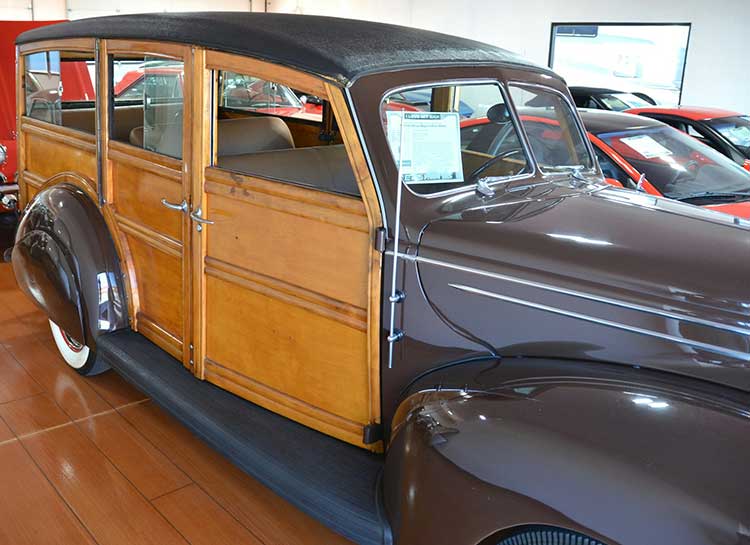
When most of us think about fixing cars, we picture wrenches, sockets, and grease-stained hands. But back in the early days of the automobile, mechanics sometimes reached for a completely different kind of tool: a saw, chisel, or plane. That’s right—before cars became fully metal machines, many of them were actually part wood.
A Blend of Wood and Metal
Up until the 1930s, car manufacturers often built bodies using wooden frames—commonly ash or maple—then covered them with thin sheet metal panels. This method was borrowed from the carriage-building days, where sturdy wooden frames supported the structure. Wood gave cars strength while keeping them relatively light, but it also meant that anyone repairing these vehicles needed skills that went far beyond turning bolts.
Why Ash and Maple?
Ash and maple were popular choices because they were strong, flexible, and less prone to splitting. For example, ash was often used for framing around doors because it could handle constant opening and closing. Maple, on the other hand, was harder and worked well in places that needed extra durability.
Mechanics as Carpenters
Imagine being a mechanic in the 1920s: one day you might be patching up an engine, and the next you could be repairing a cracked wooden frame or reshaping a door. Shops needed woodworking benches alongside their toolboxes, and carpentry skills were just as valuable as mechanical knowledge.
The Shift to All-Metal Cars
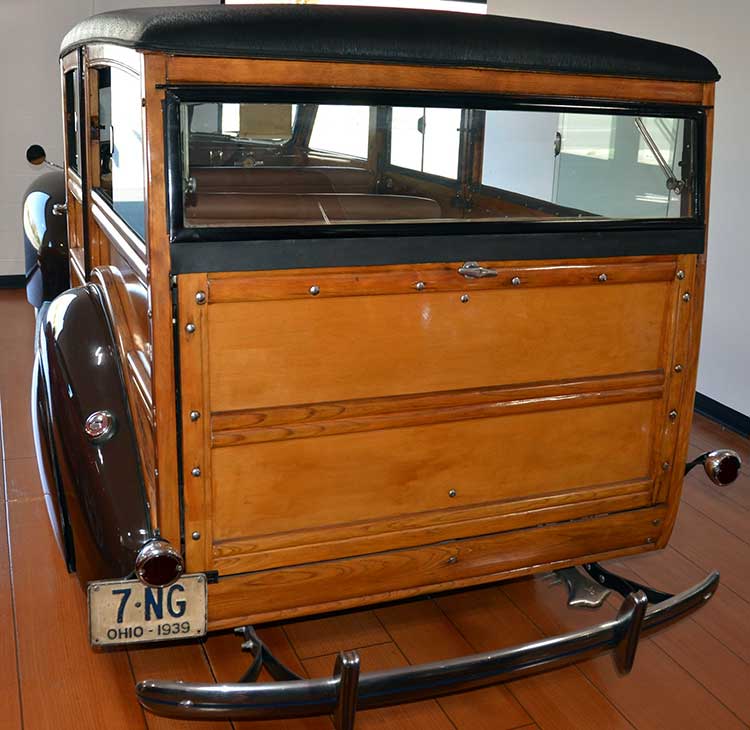
As technology improved, automakers realized all-steel bodies were safer, longer-lasting, and easier to mass-produce. By the mid-1930s, most major carmakers had switched over, leaving wooden frames behind. Still, “woodie wagons” of the 1940s and 50s kept the tradition alive in a stylish way, with exposed wood panels that gave them a unique, beach-ready look.
Fun Fact: Car and Furniture Makers
Some of the biggest names in early car production actually came from furniture-making and carriage-building backgrounds. Their woodworking expertise made them natural pioneers when designing vehicles that needed both craftsmanship and function.
Early Cars with Wood Frames
Cars in the Transition Period (Late 1920s–Early 1930s)
The “Woodie” Era (1930s–1950s)
Even after most cars went all-steel, station wagons carried on the wood tradition:

